Course Outline
Introduction
The first section of the course introduces you to the world of EMS and covers foundational topics like medical terminology, vital signs, and the ABCs.
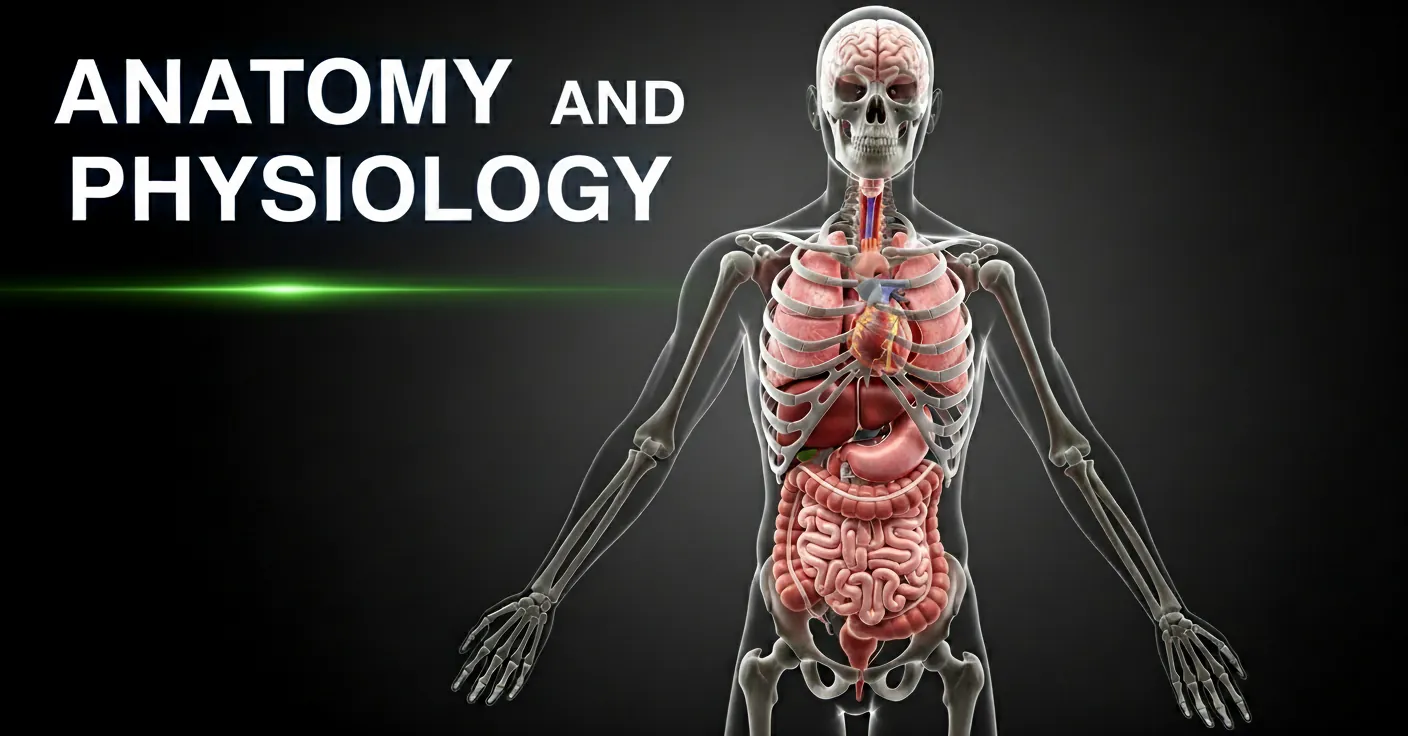
Anatomy and Physiology
In this section, we cover all of the major body systems, their organs, and what they do.
Pathophysiology
Here, we explain the different types of diseases that can affect each body system.
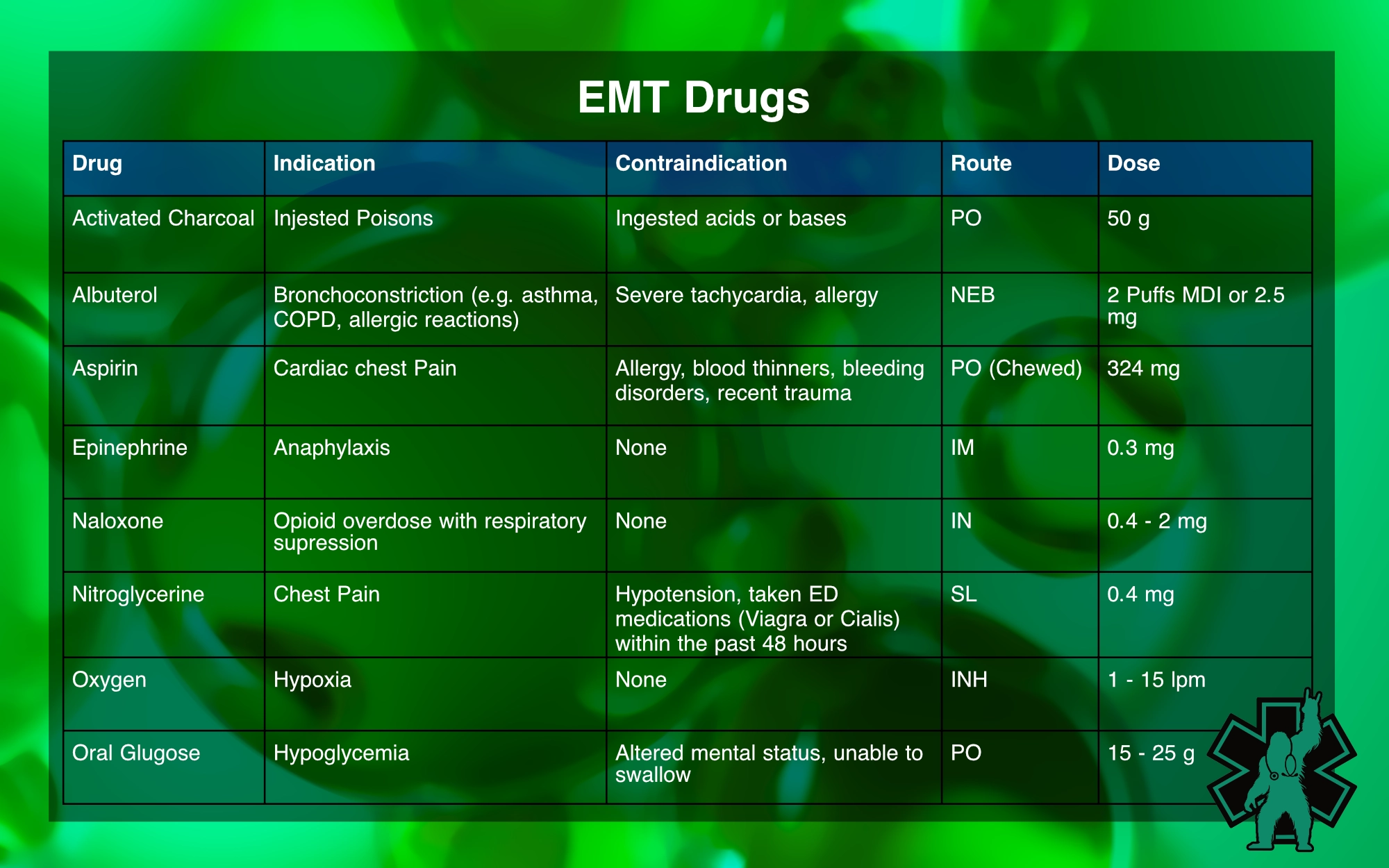
Pharmacology
This section covers the medications that EMTs administer, their uses, and routes of administration.
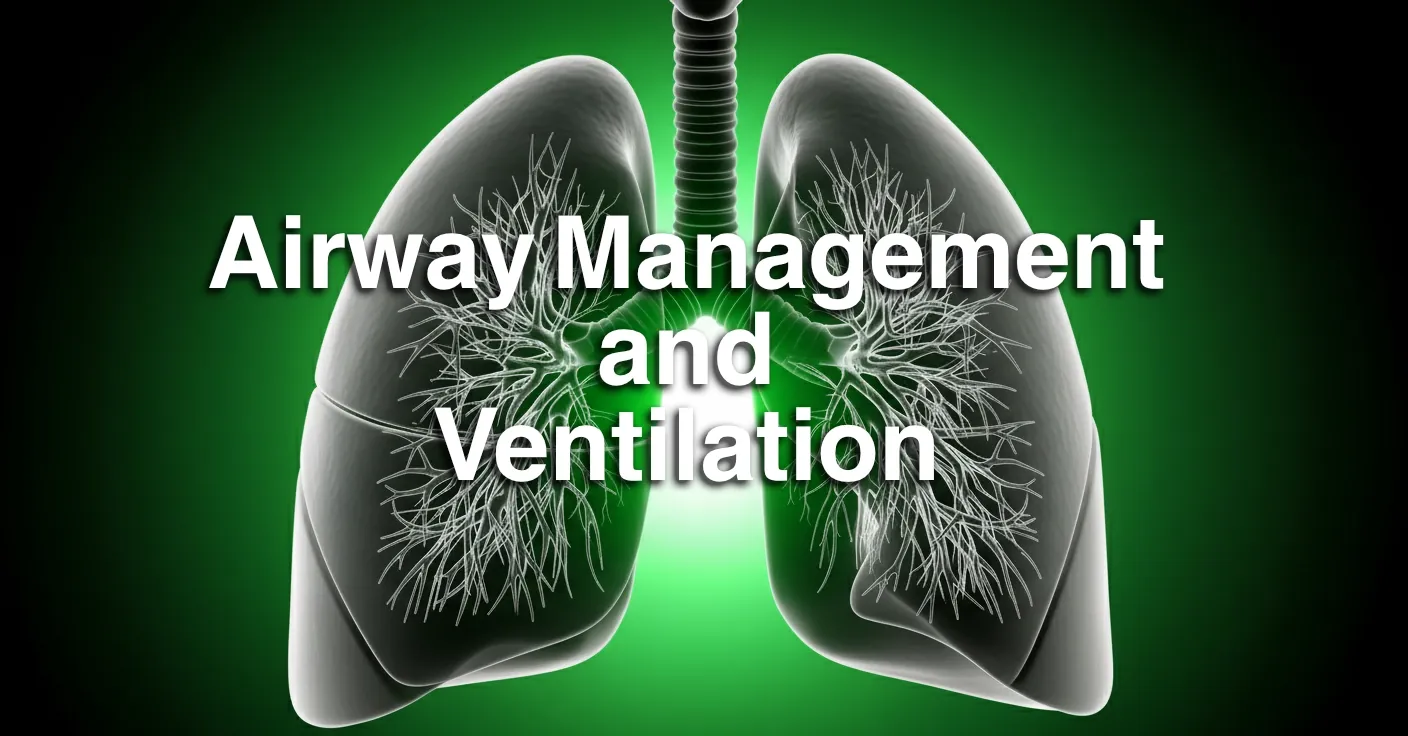
Airway Management
In Airway Management and Ventilation, we cover how to assess and maintain a patient's airway as well as provide supplemental oxygen and positive pressure ventilation.
Medical Emergencies
This section goes over some of the most common diseases and patient complaints. For each, we explain the disease process, presentation, and treatment.
Trauma
Here, we discuss each major category of traumatic injury, including how to assess, treat, and determine severity.
Environmental Emergencies
In Environmental Emergencies, we go over heat and cold-related injury, drowning and diving accidents, elevation-related emergencies, and poisonous bites and stings.
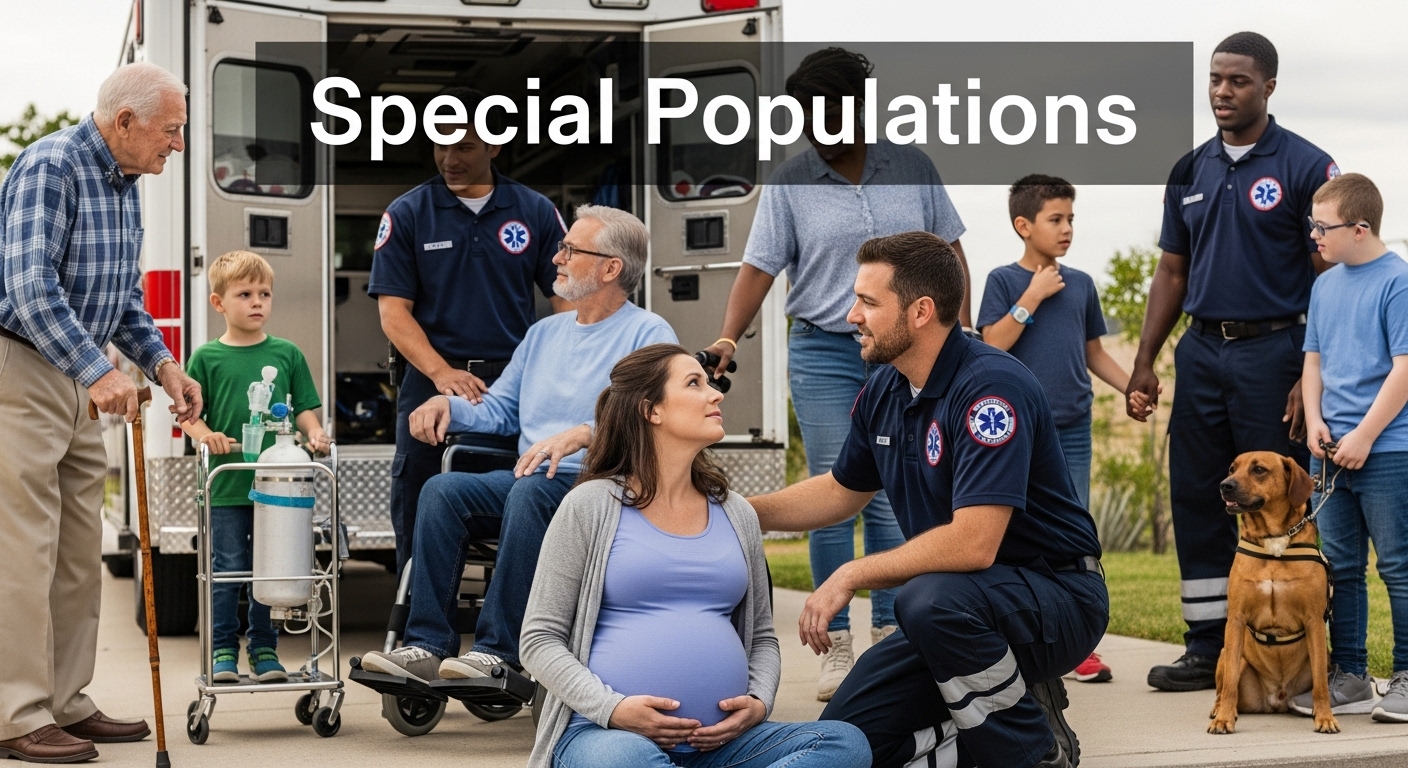
Special Populations
This section covers special population groups, including pregnant patients, neonates, pediatrics, geriatrics, and patients with special conditions and medical devices.
Assessment
This section walks you step by step through the entire assessment process from beginning to end, including differing strategies for medical and trauma patients.
Operations
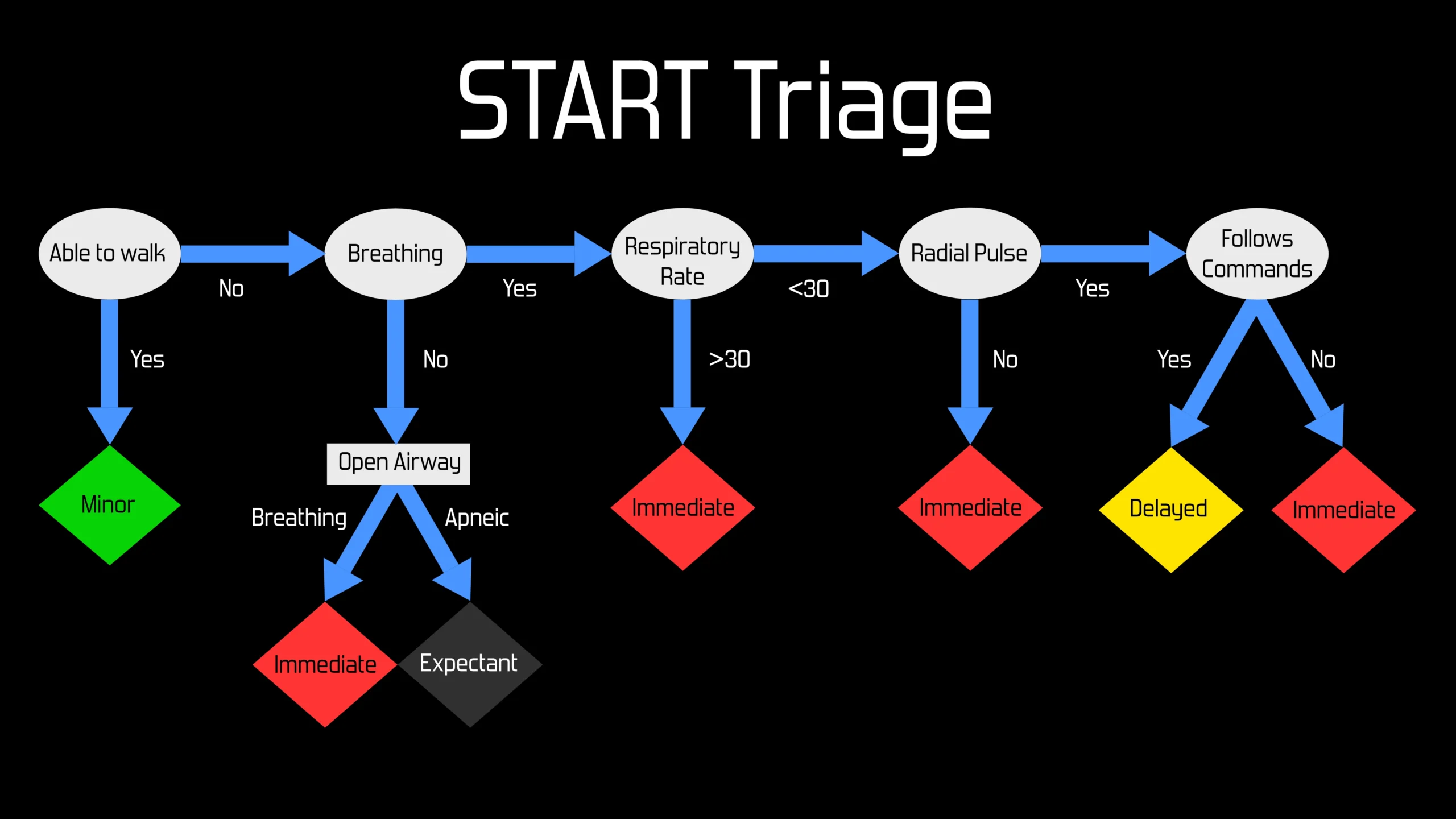
In Operations, we explain the EMS system, ambulance operation, and documentation, as well as how to handle special situations like MCIs and hazmat incidents.
CPR
This section covers core information on CPR, including different resuscitation strategies for adults and pediatrics, as well as traumatic arrests.
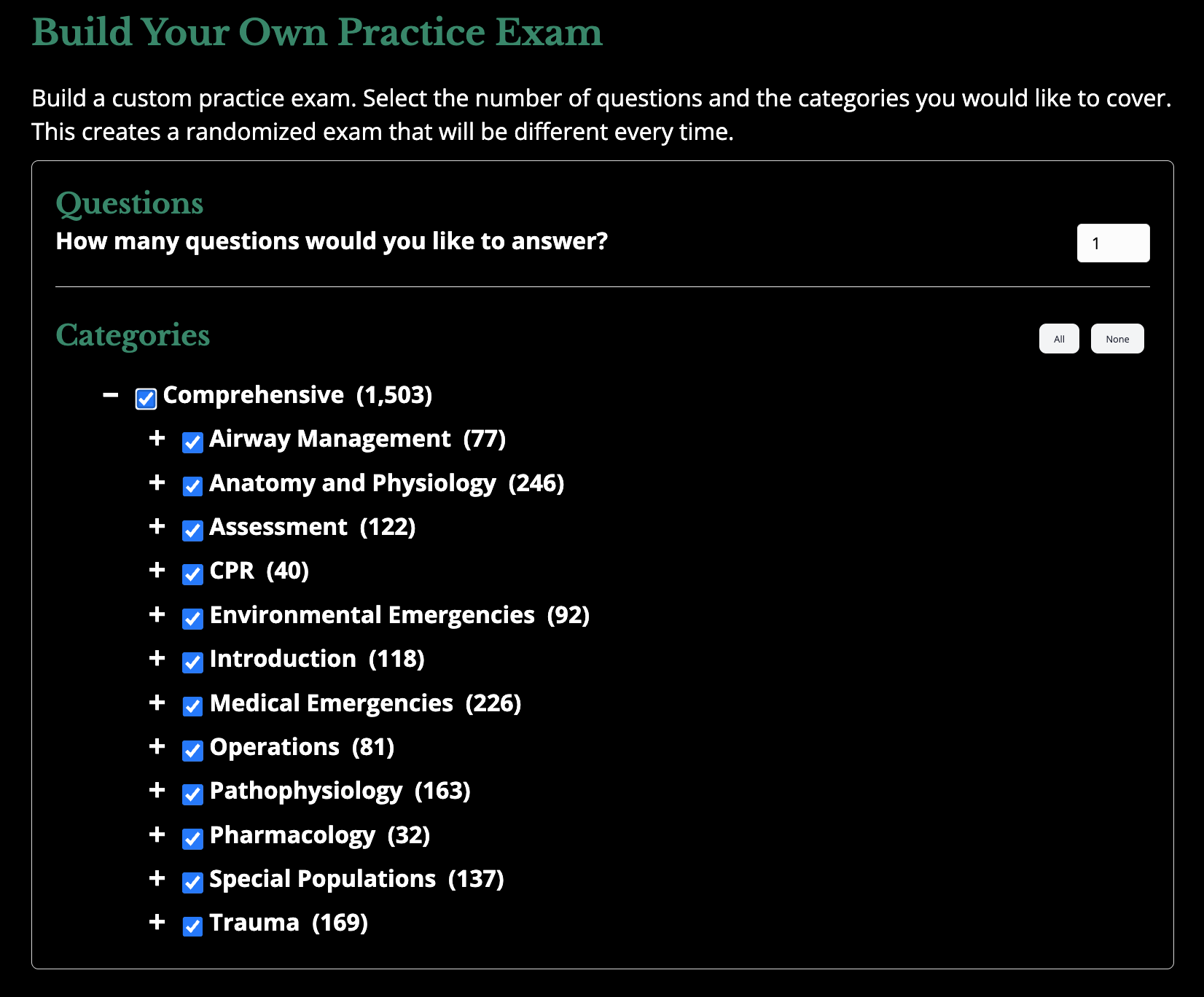
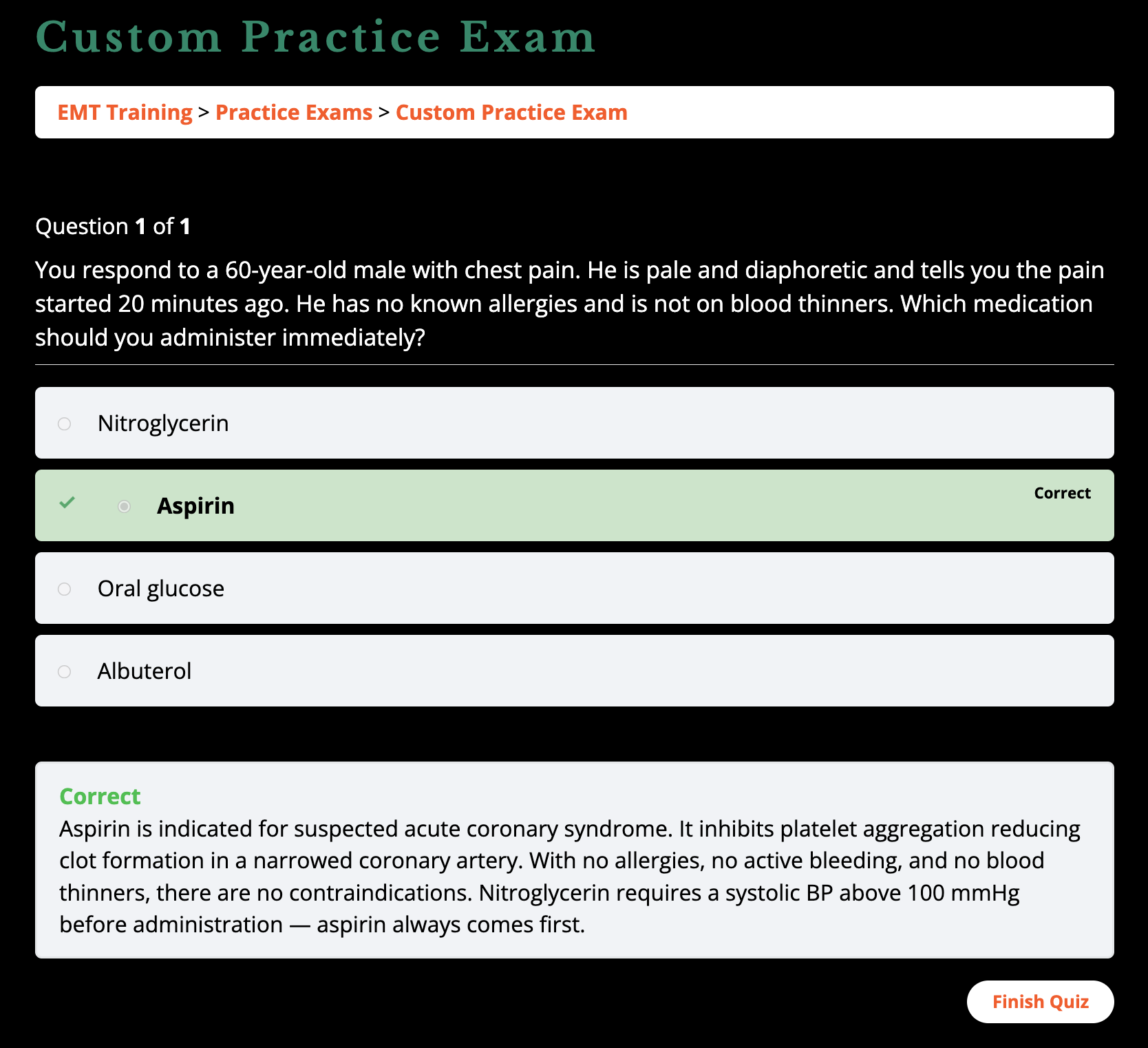
Custom Quizzes
Bullet Point Study Guides
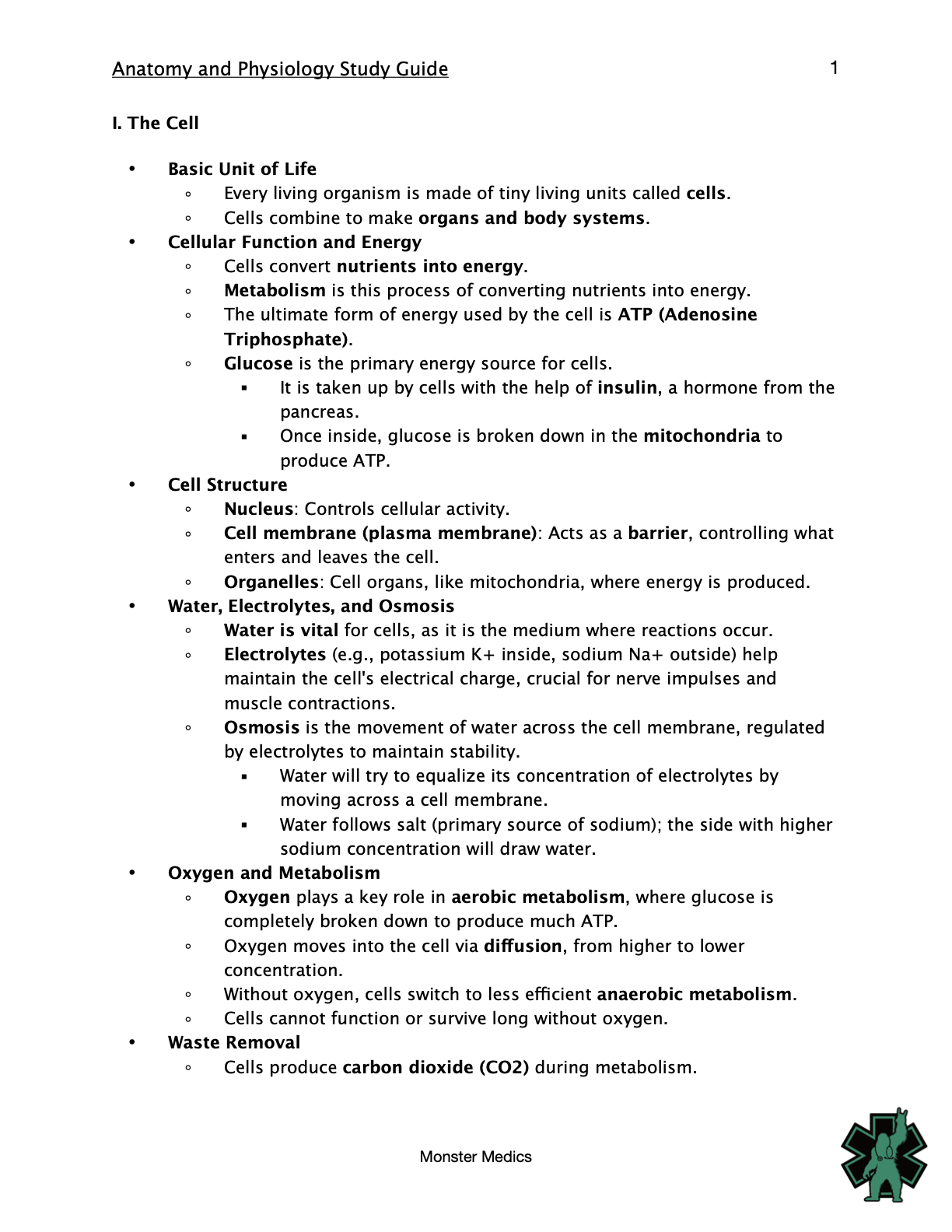
Graphical Handouts